
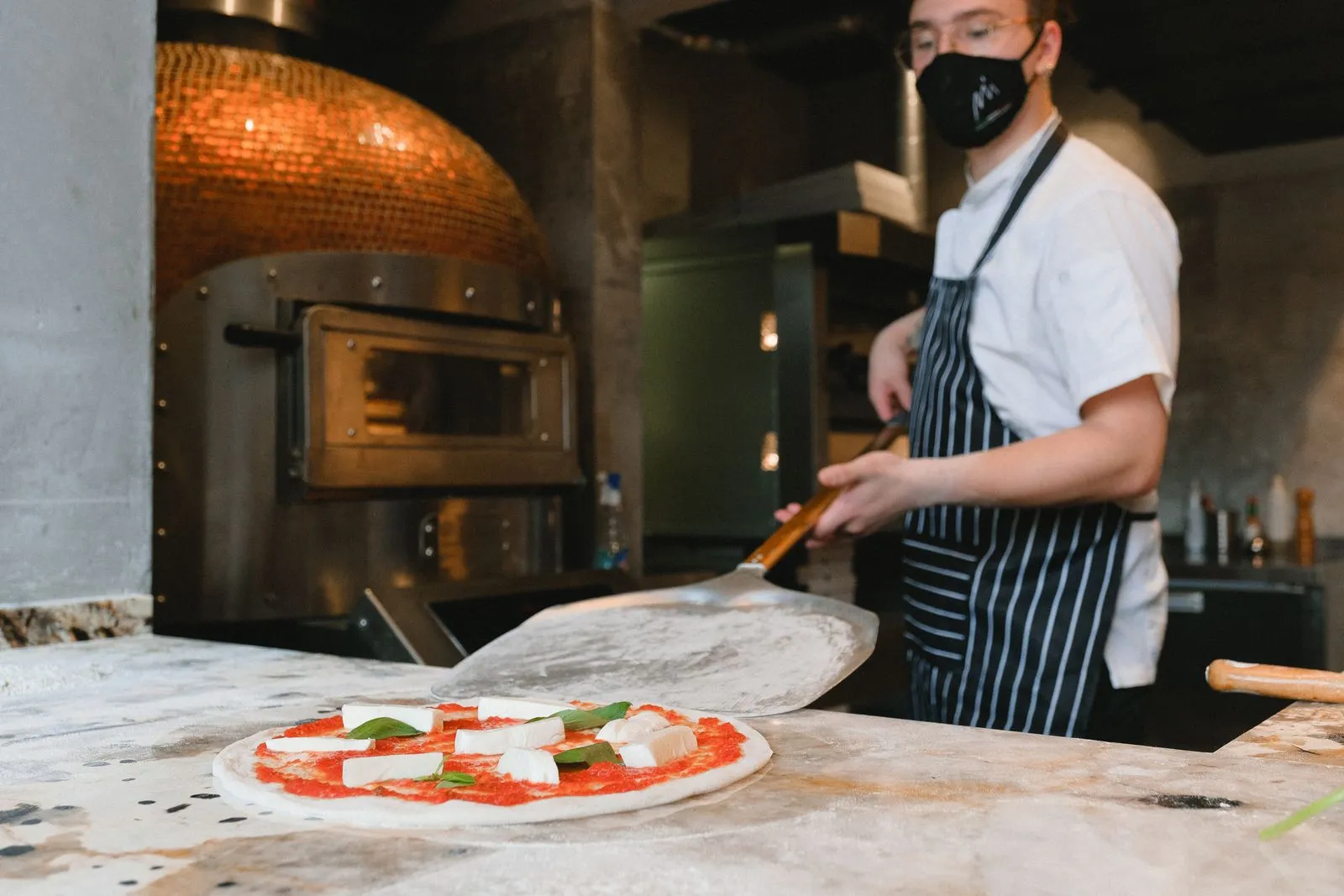
Ordering pizza for a group gets easier when you plan for different tastes instead of trying to find one pie everyone loves. Start by checking how many people are eating, what they avoid, and whether the meal needs to feel light or hearty. Then choose a mix of familiar and distinctive toppings, with enough overlap that guests can find something appealing. A few simple decisions can make a shared pizza order feel thoughtful and easy to enjoy.
Start With Your Group
Before choosing toppings, ask about dietary restrictions and strong dislikes. Check whether anyone avoids meat, dairy, or gluten, and confirm what options the pizzeria can prepare. If you are ordering for a large or mixed group, label each pizza clearly when it arrives so guests can identify what suits them without guessing.
Think about the occasion and appetite, too. A casual snack, a full dinner, and a gathering with side dishes call for different amounts of food. When you are unsure, ask the restaurant how its pizza sizes are intended to serve, then consider adding a simple side rather than ordering several extra pies.
Mix Familiar and Bold
Give the group an easy starting point with a familiar combination, such as cheese or a classic meat topping. Pair it with a vegetable-forward pizza, then add one pie with a more distinctive flavor if your guests enjoy trying something new. This mix keeps the order welcoming without making every choice feel predictable.
Balance flavors across the whole order. If one pizza is rich, salty, or spicy, choose another with fresh vegetables or a lighter combination. Avoid ordering several pies built around the same dominant topping; variety is more useful when the options taste noticeably different from one another.
Choose Toppings That Share Well
Toppings that appeal to a broad range of guests are useful anchors for a group order. Consider whether each pie offers a clear, enjoyable combination rather than an assortment of ingredients that compete. A focused topping choice is easier to share and helps guests understand what they are picking up.
If the restaurant allows custom orders, keep changes simple. A half-and-half pizza can add choice, but too many split combinations can make the order harder to track. For groups with different preferences, separate pies are often easier to serve and identify. Ask about substitutions or allergen handling directly instead of assuming a topping can be removed safely.
Estimate the Right Variety
Use the number of guests, their appetites, and any sides to guide how many pizzas to order. For a group with varied preferences, several distinct pies usually work better than many duplicates. If the pizzeria provides serving guidance, use it as a starting point and adjust for children, big appetites, or a meal that includes other dishes.
For a simple ordering plan, choose one familiar pizza, one with vegetables or lighter toppings, and one bolder option for each group of guests who may want more variety. Scale that mix to the party size, and share the choices in advance when possible. This gives people a say while keeping the final order manageable.
A good shared pizza order balances familiar favorites, contrasting flavors, and the needs of the people at the table. Check restrictions first, choose toppings with clear appeal, and use the restaurant’s serving guidance to estimate quantity. For a gathering in Santa Fe, Ember & Crust can help you explore Neapolitan wood-fired options—contact the pizzeria to discuss your group’s order.